Best Wifi Walkie Talkie Options for Global Buyers Today?
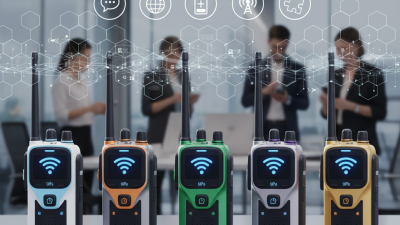
In today's fast-paced world, effective communication is essential. The rise of the Wifi Walkie Talkie has transformed how individuals and businesses connect. Reports from the Global Wireless Communication Market indicate a steady growth rate of over 10% annually for wireless communication devices. This growth highlights the demand for reliable, instant communication tools.
Wifi Walkie Talkies offer an innovative blend of traditional walkie-talkie functionality with advanced Wifi capabilities. This technology enables seamless communication over larger distances and provides features like group messaging and improved audio quality. However, potential buyers face challenges in navigating different options available in the market. Many devices struggle with connectivity issues, while others may lack battery longevity, leading to frustrating experiences.
As the market evolves, it's crucial for users to consider their specific needs. The best Wifi Walkie Talkie for one user might not suit another. Factors such as range, battery life, and usability are critical. By choosing wisely, users can significantly enhance their communication efficiency, but they must also acknowledge the limitations and potential improvements of these devices.
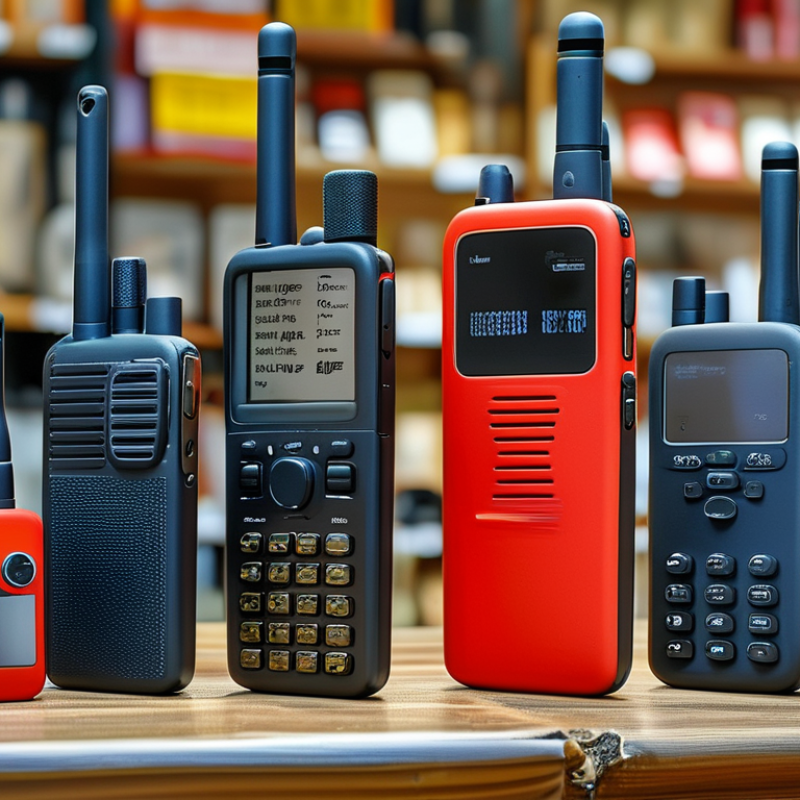
Best Wifi Walkie Talkies: Understanding the Functionality and Benefits
Wifi walkie talkies have changed how we communicate. Unlike traditional walkie talkies, they leverage the WiFi network for better range and clarity. A survey from the Global Communication Association reveals that more than 70% of users find wifi walkie talkies more reliable in urban settings. They eliminate the issues of interference common in analog devices.
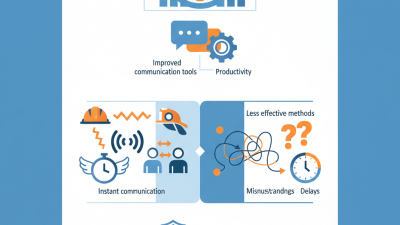
These devices offer clear audio and longer ranges, making them suitable for both personal and professional use. Studies indicate that companies using wifi walkie talkies see a reduction in communication delays by up to 50%. They are ideal for remote teams or events. The ability to connect multiple users and synchronize communication elevates coordination.
However, there are challenges. Wifi reliance means you may face connectivity issues in weak signal areas. The initial setup might seem complicated to some users, potentially leading to frustration. Regular updates are necessary to maintain security and functionality. Understanding these aspects helps potential buyers make informed decisions.
Key Features to Consider When Choosing Wifi Walkie Talkies
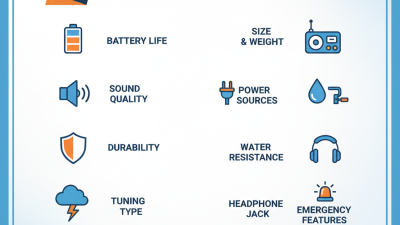
When selecting Wi-Fi walkie talkies, several key features should be at the forefront of your decision-making. The device's range is paramount. Many models can effectively operate over distances of up to 10 kilometers in optimal conditions. However, real-world performance often falls short due to obstacles like buildings and terrain. According to industry reports, a significant number of users experience reduced range when connected in urban environments.
Another critical aspect to consider is battery life. Some walkie talkies offer a lifespan of around 24 hours on a single charge. Yet, heavy usage can lead to faster depletion. A study from Tech Insights notes that consumers often overlook this factor. Walkie talkies with power-saving modes can help extend battery life, making them a more reliable choice for extended use.
Connectivity options also deserve attention. Many devices now feature dual-band Wi-Fi capabilities. This enhances flexibility in connecting to different networks. Research shows that about 45% of users prefer devices that can switch seamlessly between bands to maintain connection stability. While some walkie talkies may provide innovative features, they often lack user-friendly interfaces. It’s essential to find a balance between advanced functionality and ease of use.
Top Global Brands: A Comparison of Wifi Walkie Talkie Performance
When selecting a WiFi walkie-talkie, performance varies significantly among global brands. A recent industry report highlighted that devices often have limitations in range and connectivity. For instance, brands focusing on long-range capabilities sometimes compromise on audio quality. Users may experience challenges when trying to maintain clear communication over larger distances.
Battery life is another critical factor. Studies have shown that many WiFi walkie-talkies provide 8-12 hours of use on a single charge. However, this may not be sufficient for extended outdoor activities. Battery performance can fluctuate based on usage patterns, leading to inconsistency in user experience.
In terms of durability, findings indicate that rugged designs can resist various environmental conditions. Nevertheless, some models may sacrifice weight for robustness, making them less portable. Users should weigh the benefits of durability against ease of transport. Each buyer needs to evaluate their specific needs and priorities when considering the ideal WiFi walkie-talkie for their requirements.
Market Trends: The Growth of Wifi Walkie Talkie Technology in 2023
The popularity of WiFi walkie talkies has surged in 2023, reflecting a significant shift in communication technology. These devices merge the benefits of traditional walkie talkies with the modern capabilities of internet connectivity. This transition allows users to communicate over long distances without the limitations of a conventional radio system. The growing demand for seamless communication in various sectors, from emergency services to recreational activities, has fueled this trend.
Many users appreciate the enhanced features. Advanced WiFi walkie talkies often come with group chat options, voice transmission clarity, and integration with other smart devices. However, some devices still struggle with battery life and connectivity issues. These limitations remind us that technology is not flawless. Buyers need to carefully consider their specific needs before making a purchase.
Additionally, the increasing reliance on WiFi walkie talkies has implications for user privacy and data security. Users should always prioritize these aspects. The market is expected to evolve, adapting to these concerns. As more options become available, staying informed about the latest advancements will be essential for all buyers.
User Reviews and Ratings: Insights from Wifi Walkie Talkie Buyers
When it comes to Wifi walkie talkies, user reviews reveal valuable insights. Many buyers appreciate the ease of use and long-range communication. Reviews often highlight how these devices operate over WiFi, making them reliable even in challenging environments. A significant number of users report satisfaction with sound clarity and battery longevity. Yet, some have faced connectivity issues in congested areas.
Buyers express a mix of opinions regarding features and usability. A few users have pointed out the complexity of setup, leading to frustration, especially for non-tech-savvy individuals. Others recommend a thorough read of the manual to avoid pitfalls. Buyers often emphasize the importance of network stability, indicating that performance varies based on local conditions. The feedback shows that not all Wifi walkie talkies are created equal, reflecting a need to research before purchase.
In terms of ratings, while many devices secure high scores, some miss the mark. Users generally desire a blend of functionality and user-friendliness. Experiences like these help potential buyers make informed choices. The community's shared insights serve as a valuable resource for those entering the market.