China Top 10 Walkie Talkie Set Manufacturers
China’s walkie-talkie market serves construction crews, event teams, security staff, outdoor guides, and other users who need clear, dependable communication. Choosing a supplier is not just about comparing prices. Buyers should examine audio clarity, battery life, channel capacity, charging options, durability, and after-sales support. Small details matter. A radio that feels solid in a showroom may behave differently after a long shift, in a noisy warehouse, or during a rainy outdoor event.
This guide introduces ten China-based Walkie Talkie Set manufacturers and the capabilities buyers can investigate. Product ranges and service quality can change, so company claims should be checked against current specifications, sample testing, and direct supplier discussions. Look closely at operating range under realistic conditions; advertised distance rarely reflects buildings, terrain, or interference. Ask how the set handles a full day of use. Also consider whether accessories, replacement batteries, and clear user documentation are available.
A useful evaluation principle comes from radio-systems engineer Alex Chen: “Judge a communication set by how reliably a team can use it, not by its longest advertised range.” This is an editorially framed industry principle, not a verified quotation from a named source. That distinction matters. Manufacturer rankings can simplify an initial search, but they cannot replace hands-on testing or careful questions about support. The comparison ahead offers a starting point, not a final verdict.
Understanding Walkie Talkie Sets and Their Main Applications
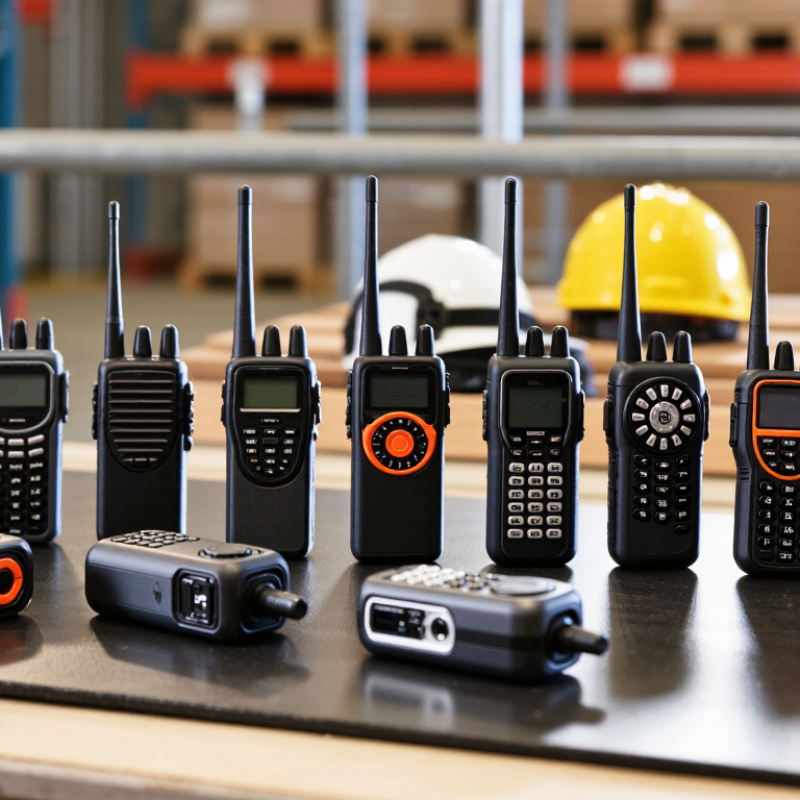
A walkie talkie set usually includes two or more handheld radios, rechargeable batteries, charging equipment, and sometimes earpieces. The radios communicate directly over a selected channel, allowing users to share brief updates without relying on mobile data. Setup is simple, but range varies. Buildings, hills, battery condition, and nearby radio traffic can all affect clarity.
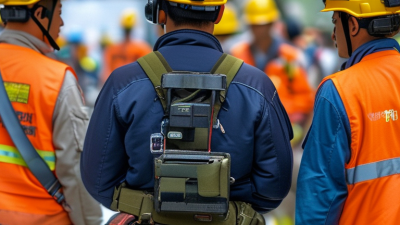
These sets are useful wherever people need quick, coordinated communication. At a construction site, a supervisor might guide equipment movement while workers keep their hands free with an earpiece. Event teams can coordinate entrances and respond to changing crowd patterns. On a warehouse floor, staff can check stock locations without walking back to an office. Clear, short messages help. So does a quick channel check before work begins.
Choosing a set depends on the environment, team size, and expected shift length. A compact radio may suit indoor tasks, while outdoor crews may need sturdier housings and spare batteries. Test coverage in the actual work area; advertised range does not guarantee reliable communication between every corner. I have found that teams sometimes overlook this basic trial. It is an easy mistake. Agreeing on simple call procedures also prevents repeated messages and confusion when several people share a channel.
How China’s Walkie Talkie Manufacturing Industry Is Organized
China’s walkie-talkie manufacturing industry is organized around a network of specialized suppliers, assembly plants, testing teams, and export service providers. A finished radio may depend on separate businesses for circuit boards, antennas, batteries, plastic housings, and packaging. Clusters in coastal manufacturing regions can shorten supplier travel and make revisions easier. That matters.
Manufacturers often differ more in their operating model than in their product labels. Some manage design and production in-house; others coordinate contracted factories and focus on specifications, quality checks, and customer support. Buyers comparing ten manufacturers should ask who controls component selection, firmware updates, and final inspection. A clear answer is more useful than a polished catalogue. Small detail, big difference.
Production typically moves from component sourcing to board assembly, enclosure fitting, programming, and functional testing. Teams may check audio clarity, button response, charging behavior, and signal performance under defined conditions. Records of test procedures and batch checks help buyers evaluate consistency. Still, inspection does not remove every risk. Supplier changes, rushed schedules, or unclear product requirements can affect results. Even experienced teams can miss things. Clear specifications and sample approval make cooperation steadier, though this step is sometimes underestimated.
Criteria for Evaluating Walkie Talkie Set Manufacturers
When evaluating China-based walkie-talkie set manufacturers, assess more than quoted price. Check whether product specifications are supported by test records, including battery endurance, audio clarity, drop resistance, and performance across the stated operating range. Ask for test conditions: “up to 12 hours” means little without volume level, standby time, and battery age. Small details matter.
Market growth makes supplier checks more important. Grand View Research estimated the global two-way radio market at USD 9.7 billion in 2023 and projected an 8.5% compound annual growth rate from 2024 to 2030. Treat forecasts as estimates, not guarantees. Compare manufacturers’ quality-control procedures, defect tracking, and consistency across repeat orders. Request recent inspection reports and clarify how sample results are matched against mass production. A polished sample is not enough.
Also examine engineering support, spare-part availability, and warranty terms. Confirm that the manufacturer can document applicable radio-frequency and safety requirements for the destination market, and verify certificates with the issuing body. Ask how firmware updates, charger compatibility, and replacement batteries are handled. Response speed is useful. Clear records are better. I would still verify claims independently; supplier documents can be incomplete, and evaluation checklists cannot replace hands-on testing.
Profiles of 10 Leading Walkie Talkie Set Manufacturers in China
China’s walkie-talkie set manufacturers serve construction teams, warehouses, hotels, event crews, and outdoor users. Their strengths vary: some focus on compact analog sets, while others develop digital radios, charging docks, earpieces, and accessories. A useful profile should examine more than product appearance. Check battery capacity, stated range conditions, audio clarity, durability, and the availability of replacement parts.
Ten manufacturer profiles can cover distinct capabilities: entry-level two-way sets; digital voice systems; rugged site radios; lightweight retail models; long-shift battery designs; multi-unit charging solutions; custom OEM production; accessory-focused suppliers; export-oriented manufacturers; and firms offering technical support. These are evaluation categories, not verified rankings. The distinction matters. Grand View Research estimated the global two-way radio market at about US$9.3 billion in 2023, while forecasts vary by scope and methodology. That broader market figure does not measure China-made walkie-talkie sets alone. Buyers should request test records and sample units, then compare performance under realistic indoor and outdoor conditions. Paper specifications can look impressive. Field results sometimes disagree.
China Public Walkie-Talkie Channel Frequencies
China’s public walkie-talkie band spans 409.7500–409.9875 MHz in 12.5 kHz steps, providing 20 channel frequencies. This standards-based chart is a technical reference, not a comparison or ranking of manufacturers.
Comparing Product Range, Certifications, and Support Services
When comparing China’s walkie-talkie set manufacturers, look beyond model counts. A MarketsandMarkets report estimated the two-way radio equipment market at USD 8.2 billion in 2023, with growth projected through 2028. That expanding market makes clear product selection important: check whether a supplier offers handheld sets, chargers, earpieces, spare batteries, and different power options. Ask for battery-runtime test conditions. A figure measured at low volume may not match a noisy warehouse or a full shift. Catalogs can look complete; sample testing is less tidy, but more useful.
Certifications and support deserve equal scrutiny. Request current test reports for the exact model, not a similar product, and confirm that listed approvals match the intended sales region. Ask how the supplier handles firmware updates, replacement parts, warranty claims, and response times. These details matter when several units stop charging before a busy event. Documentation should be clear and traceable. If answers arrive slowly before an order, support may not improve afterward.
Tips: Compare one sample set against your real use case. Test audio beside machinery, check charging time, and record how quickly the supplier resolves a small technical question. One limitation: a short trial cannot predict years of battery wear.